| |
Welcome to the ENSP newsletter, your source of information on tobacco control across the WHO European Region. At ENSP, our mission is to end the tobacco epidemic and beat cancer through collaborative efforts, research, and advocacy.
Join us in our journey to achieve a tobacco- and nicotine-free world! |
|
|---|
|
|
The 10th ENSP-ECTC 2025
Belgrade Declaration on Tobacco Taxation and Competitiveness |
|
|---|
|
 |
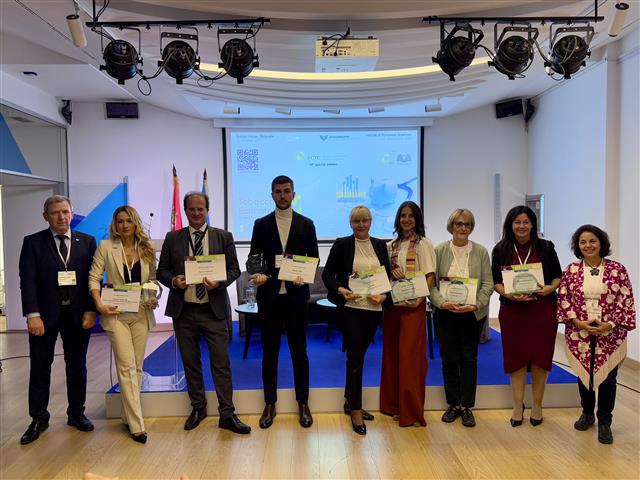
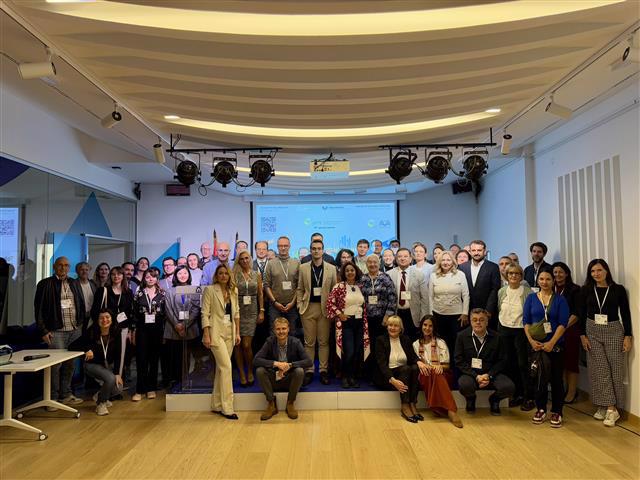
At the 10th European Conference on Tobacco Control, held in Belgrade between 22-24 October 2025, experts from across Europe, including economists, researchers, and public-health advocates, endorsed the Belgrade Declaration on Tobacco Taxation and Competitiveness.
The Declaration reaffirms that effective tobacco taxation is one of Europe’s most powerful and evidence-based tools to protect health while strengthening economic resilience. It highlights how modernised excise policies can boost competitiveness, productivity, and fiscal stability, all while reducing cancer, cardiovascular and respiratory diseases.
The signatories call for ambitious, harmonised taxation across all nicotine products, automatic indexation, and stronger controls on illicit trade. The Declaration also urges governments to safeguard policymaking from tobacco-industry interference and to reinvest excise revenues into prevention and cessation. Together, these measures mark a united European commitment to fiscal fairness, health equity, and a more competitive, tobacco-free future. |
|
|
|
|
Shaping the future of Tobacco Taxation in Europe
|
|
|---|
|
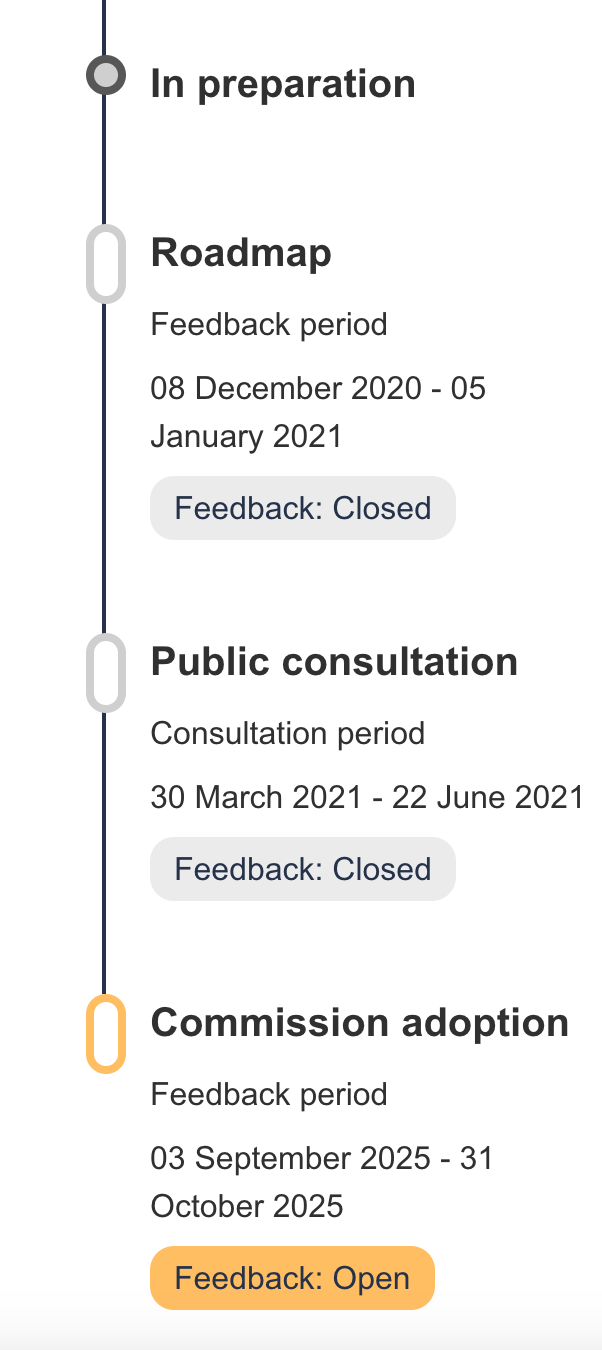 |
The European Commission has launched a public consultation on the revision of the Tobacco Taxation Directive, an essential step toward modernising how tobacco and nicotine products are taxed across the EU. This initiative aims to update outdated excise rules, ensure fair taxation for all products, and strengthen the Single Market by reducing cross-border price gaps that undermine both health and fiscal objectives.
This consultation is a direct opportunity for the tobacco control community to make its voice heard. Following the spirit of the Belgrade Declaration on Tobacco Taxation and Competitiveness, we can help shape a policy that is not only health-protective but also competitiveness-aligned, delivering strong fiscal returns and societal benefits. By contributing, you help advocate for taxation that supports prevention, cessation, and fairer economies across Europe.
We encourage all ENSP members, partners and allies to take part in this consultation and submit their feedback through the European Commission’s portal before October 31st. |
|
|
|
|
|
New WHO-FCTC release on
Tobacco Industry Interference |
|
|---|
|
On 22 October 2025, the WHO Framework Convention on Tobacco Control Secretariat issued a warning: the tobacco industry is intensifying its efforts to influence the upcoming decision-making sessions of its governing bodies, the Conference of the Parties (COP) and the Meeting of the Parties (MOP).
The industry’s tactics include attempts at political capture (placing sympathetic actors in delegations), front-groups posing as independent voices, funding misleading research to cast doubt on effective control measures, and deploying economic narratives targeting trade and finance ministries. |
|
|---|
|
The WHO FCTC Secretariat urges all Parties to: |
|
|---|
|
1. Fully implement Article 5.3 of the WHO FCTC and its Guidelines for implementation, covering all branches of government from tobacco industry influence.
2. Protect COP from the commercial and other vested interests of the tobacco industry in line with Objective 3.1.3 of the Global Strategy to Accelerate Tobacco Control: Advancing sustainable development through the implementation of the WHO FCTC 2019-2030, including during the preparation of country delegations.
3. Ensure their COP and MOP delegations do not include tobacco industry or tobacco industry-affiliated persons.
4. Reject any industry-linked funding or partnerships, including for COP and MOP activities or national delegations.
5. Educate non-health ministries on industry tactics and Article 5.3 obligations.
6. Use available monitoring tools like the Global Tobacco Industry Interference Index to detect interference.
|
|
Hungarian Methodology Center Publishes Hungarian Edition of ENSP Guidelines |
|
|---|
|
 |
Since 2012, the National Methodology Center for Smoking Cessation Support has been operating at the National Korányi Institute for Pulmonology, serving as the key hub for coordinating smoking cessation activities in Hungary. Its mission includes:
- Training healthcare professionals in brief intervention and behavioral counseling
- Developing and regularly updating national smoking cessation guidelines
- Running the national telephone counseling service
- Coordinating cessation support programs and contributing to broader tobacco control efforts
Over the years, the Methodology Center has built a strong partnership with the European Network for Smoking and Tobacco Prevention. This collaboration has involved adapting the ENSP Tobacco Dependence Treatment Guidelines for Hungary, as well as contributing expertise to international initiatives aimed at advancing tobacco control.
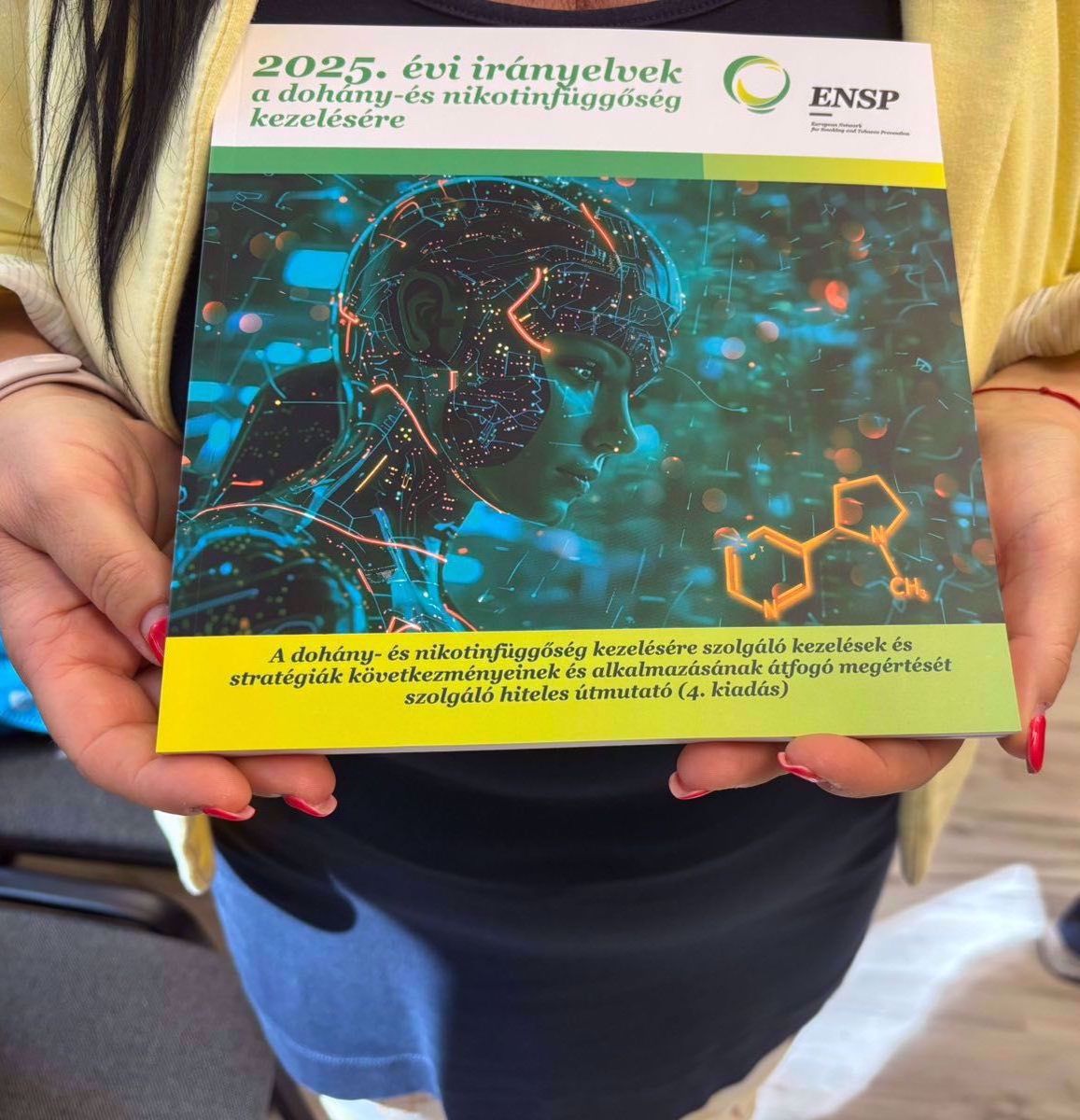
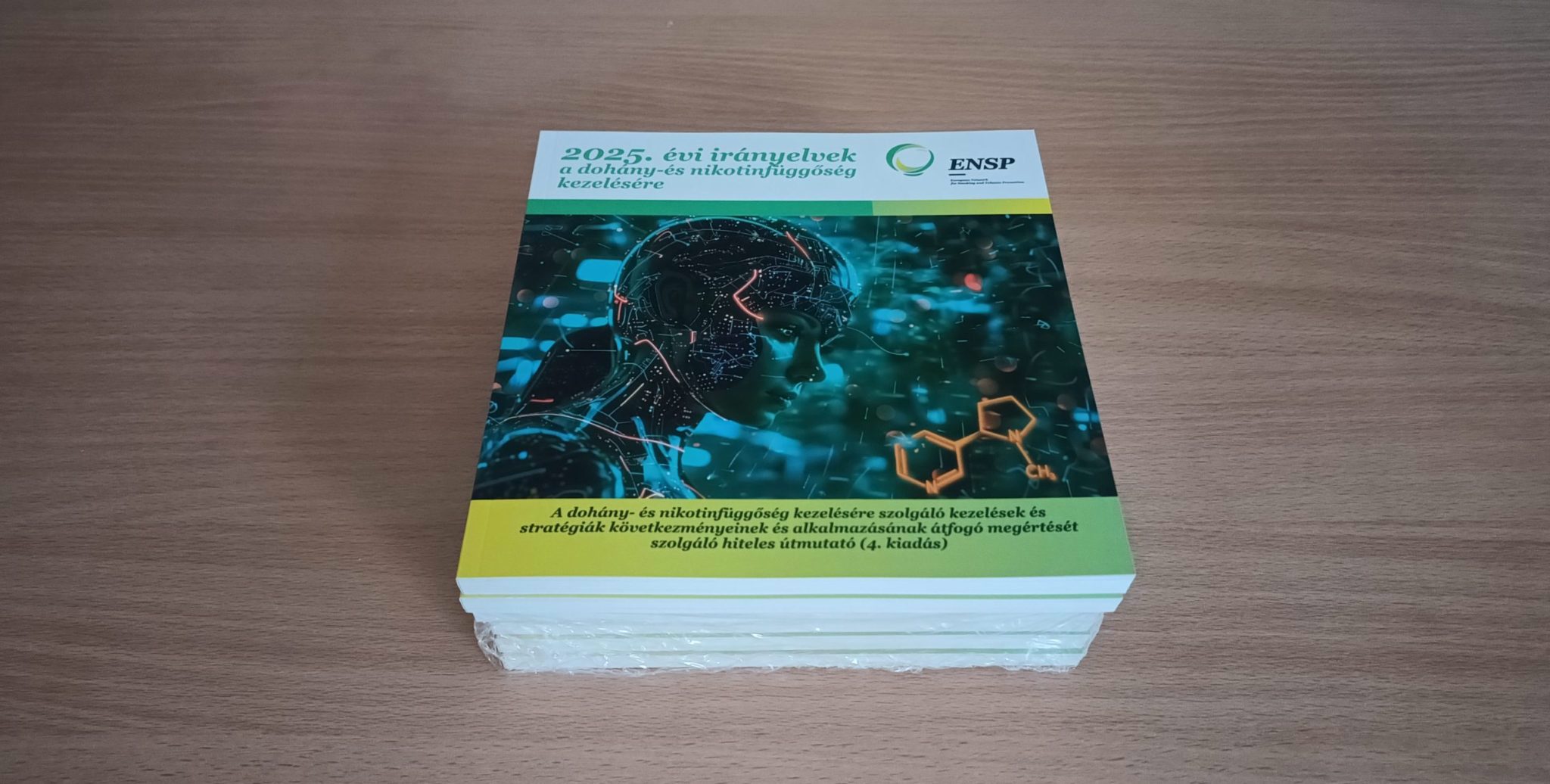
In 2025, ENSP released the 4th edition of the Tobacco Dependence Treatment Guidelines. Recognizing the importance of making these guidelines accessible, ENSP invited the Hungarian Methodology Center to prepare the official Hungarian translation. The Hungarian edition was published in July 2025, marking a milestone in supporting healthcare professionals across the country.
Printed copies of the guidelines are now being distributed at the Methodology Center’s smoking cessation training sessions, as well as through Health Promotion Offices, which provide both individual and group counseling nationwide. This initiative ensures that evidence-based, up-to-date methods for supporting people to quit smoking are available to all healthcare providers in Hungary.
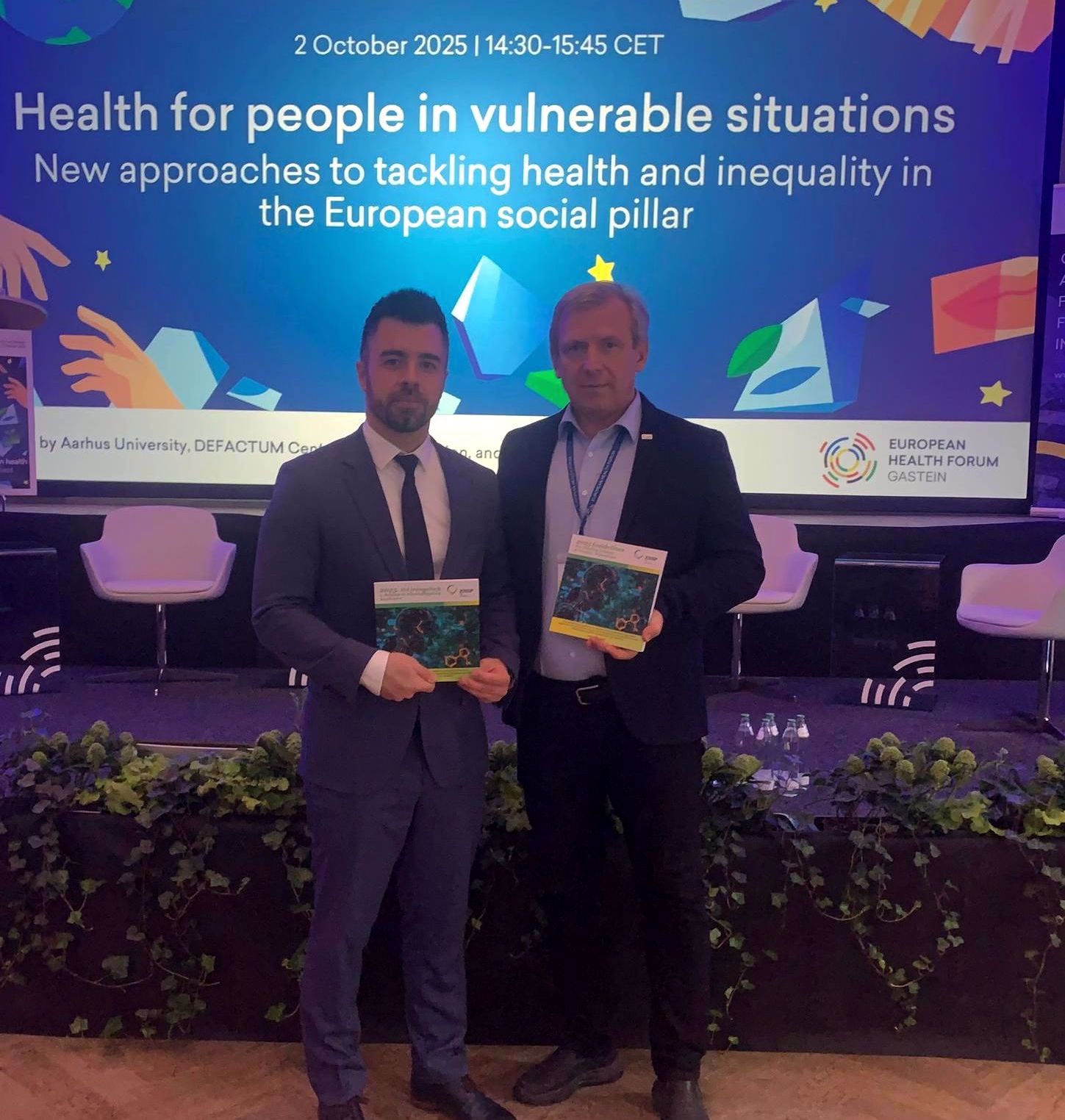
The Guidelines have been distributed as well during the European Health Forum Gastein, notably to MEP András Kulja and to the European Commissioner for Health and Animal Welfare, Olivér Várhelyi.
|
|
|
|
|
World No Tobacco Day 2026 |
|
|---|
|
The World No Tobacco Day theme for 2026 has just been announced: “Unmasking the appeal – countering nicotine and tobacco addiction.”. The campaign will expose how the tobacco- and nicotine-industry reinvents and repackages products, such as e-cigarettes, nicotine pouches and synthetic nicotine devices, to hook new users, especially youth, while avoiding regulation. |
|
|
|
|
The 2026 campaign aims to:
- raise awareness of the tobacco and nicotine industry’s evolving strategies, including the use of synthetic nicotine, nicotine salts, and analogues to increase addiction potential while appearing technologically advanced;
- advocate for stronger policy action to protect youth through bans on flavours, advertising and promotion (including on digital and social media), and regulation of packaging and product design that increase appeal; and
- prevent addiction and reduce demand by equipping the public – especially youth – with the knowledge and tools to resist industry manipulation and access evidence-based cessation support.
|
|
Submit your Nomination for
WNTD Awards 2026 |
|
|---|
|
The World Health Organization has officially opened nominations for the 2026 World No Tobacco Day Awards. These awards aim to spotlight exceptional individuals, organisations or government bodies across the six WHO regions that have made outstanding contributions to tobacco-control policies, particularly in line with the campaign’s focus on exposing how nicotine and tobacco products are made appealing. |
|
|
|
|
- The nominee can be an individual or a collective (e.g., a nongovernmental organization devoted to tobacco control) or a government department/Ministry that has made outstanding contribution to tobacco control.
- The nominee must have made an outstanding contribution to the advancement of the policies and measures contained in the WHO Framework Convention on Tobacco Control and its guidelines, particularly in relation to the theme of World No Tobacco Day.
- The outstanding contribution should demonstrate significant progress in advancing or implementing new tobacco control policies, or in protecting and sustaining existing achievements within the past five years. Nominators should clearly describe the nominee’s specific contribution, explaining its significance, impact, and relevance.
|
|
|---|
|
All publications from the TPC Journal can be found here. |
|
|---|
|
|
Parker A. Polston, Anne C. K. Quah, Geoffrey T. Fong, Richard J. O'Connor
Salma R. Al-Kalbani
Melissa Mercincavage, Patrick V. Barnwell, Michelle Kennedy, Ollie Ganz, Cristine D. Delnevo, Michael B. Steinberg
Tamar Abuladze, Carla Berg, George Bakhturidze, Lela Sturua
Jaqueline R. Scholz, Bianca B. Bellini, Sara D. V. Ziotti, Tania O. Abe, Debora Arnaut, Rodrigo L. Alberto, Marco A. Marcolin, Serena Tonstad |
|
Do you have an event coming up or content to promote? Would you like to share your best practices or inform us about local initiatives?
Share your work and promote your activities among 3.500+ colleagues in Europe and around the globe via The Network - ENSP newsletter |
|
| | |
|
|
|