|
Welcome to the ENSP newsletter, your source of information on tobacco control across the WHO European Region. At ENSP, our mission is to end the tobacco and nicotine epidemic and beat cancer through collaborative efforts, research, and advocacy. |
|
|---|
|
People Before Profits
Standing up to the Tobacco Industry
|
|
|---|
|
Two leaders from different corners of the world deliver the same message: governments must act in the interests of public health, not the interests of industries that profit from addiction.
|
|
|---|
|
These two videos highlight a powerful principle in public health leadership: the willingness to put people's health ahead of commercial interests.
|
|
|---|
|
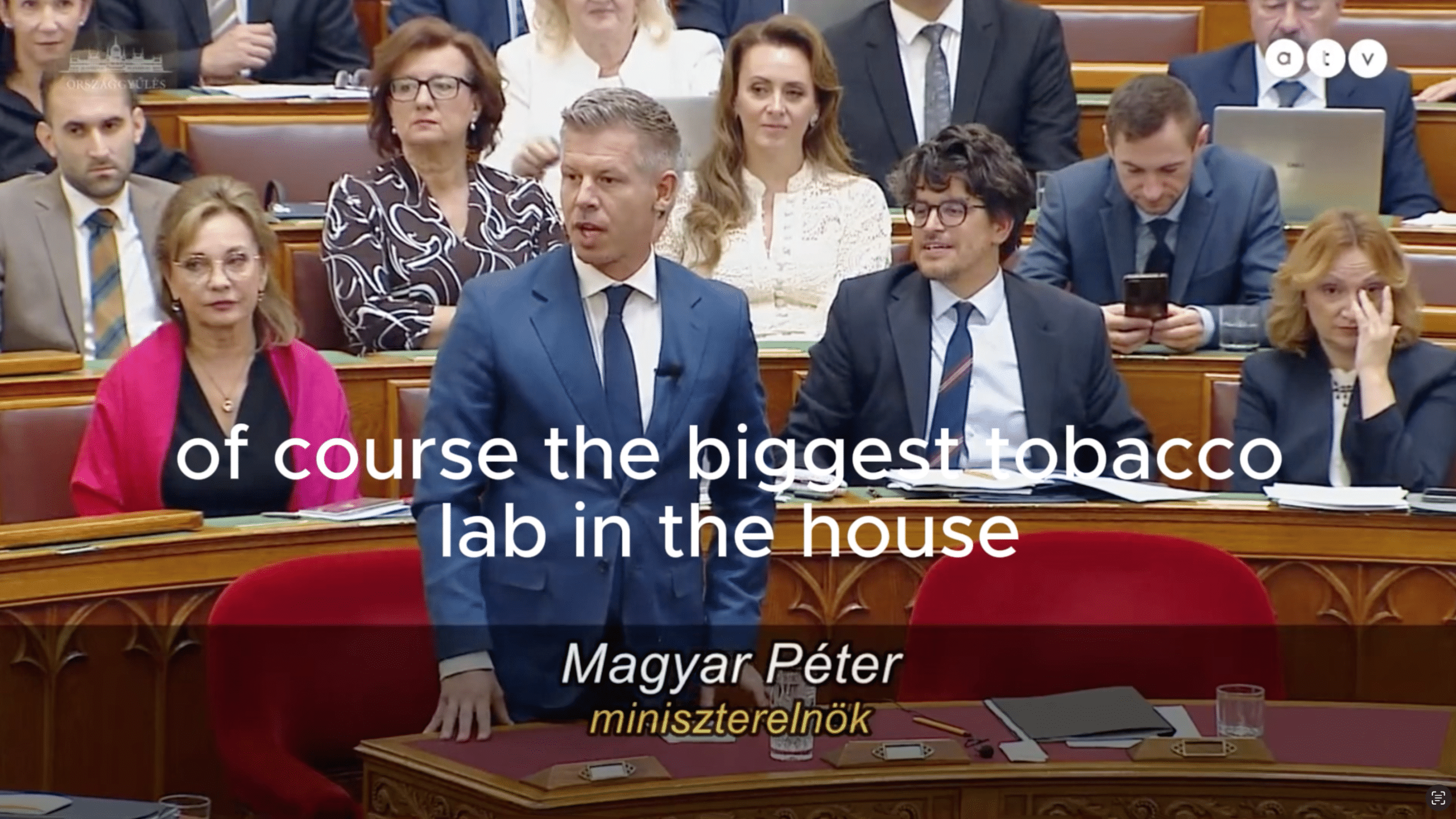
In the first video, Péter Magyar speaks in the Hungarian Parliament, criticizing political support for tobacco business interests and challenging the influence of the tobacco sector in public policy debates. During a parliamentary discussion on tobacco taxation, he argued that public health and healthcare funding should take precedence over the interests of the tobacco industry. |
|
|
|
|
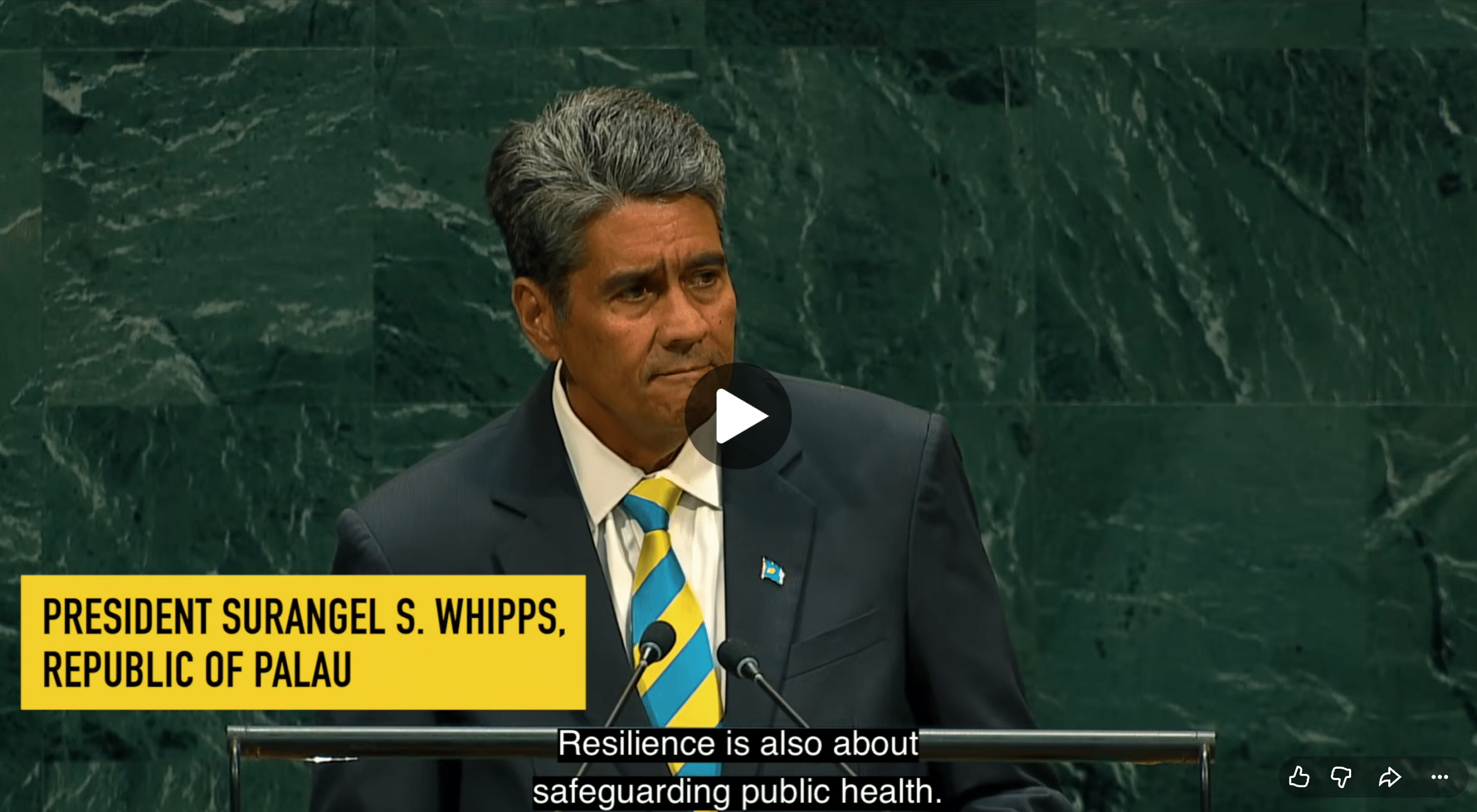
In the second video, President Surangel S. Whipps Jr. of Palau addresses the United Nations General Assembly, explaining his country's historic decision to request an international review of nicotine under the UN drug control framework. He emphasizes the need to protect children and young people from nicotine addiction and calls on governments worldwide to place public health above industry profits. |
|
|
|
|
Although coming from very different political and geographical contexts, both leaders convey a similar message: governments have a responsibility to protect citizens, especially young people, from the harms of tobacco and nicotine, even when doing so challenges powerful commercial interests.
|
|
|---|
|
FINAL CALL:
Last chance to register for the
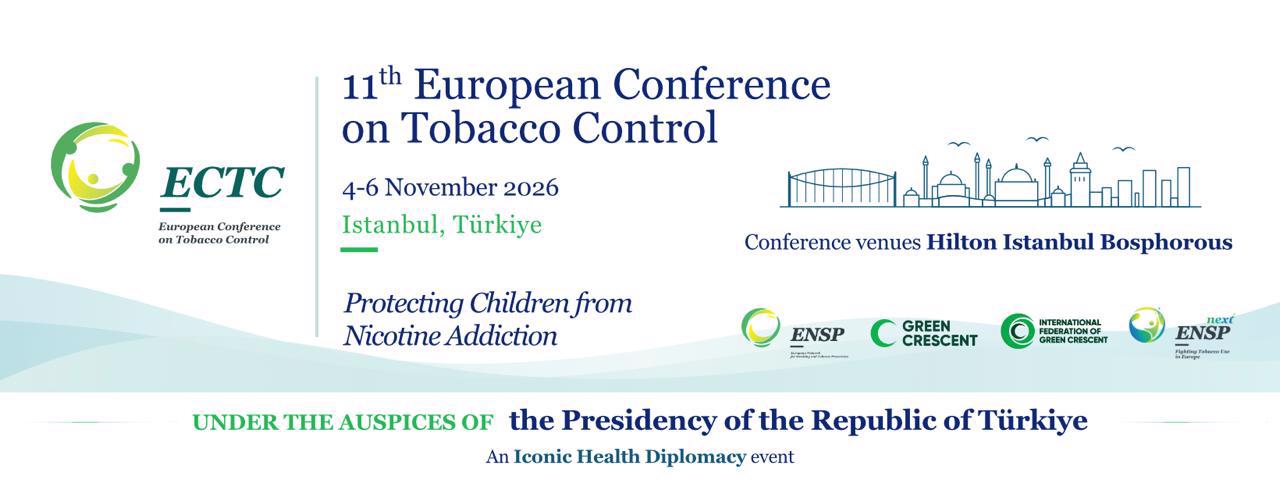
11th European Conference on Tobacco Control !
|
|
|---|
|
|
Flavours, colourful packaging, social media promotion and new product formats are changing how nicotine reaches younger generations. Research and policy must respond just as quickly.
ECTC 2026 offers an opportunity to present new evidence to an international audience, exchange experiences across countries and disciplines, build new collaborations, and help shape the next steps in tobacco and nicotine control.
Whether your work examines a new trend, evaluates an intervention, exposes an industry strategy or proposes a stronger policy response, we want to hear from you.
Join us in Istanbul and be part of three days of science, exchange and collective action for a generation free from tobacco and nicotine addiction. |
|
|---|
|
Launch of the EU-Funded ACTS Project to Accelerate Tobacco Cessation in Healthcare Systems Across European LMICs |
|
|---|
|
A new European Union-funded research project, ACTS – Accelerating Tobacco Cessation within Healthcare Systems of European LMICs, marks its official launch today as consortium partners gather in Yerevan, Armenia, to kick off efforts addressing one of the leading preventable drivers of non-communicable diseases: tobacco use. Funded under the European Union’s Horizon Europe programme (call: HORIZON-HLTH-2025-01-DISEASE-06), the €4.7 million, five-year project runs from 1 September 2026 to 31 August 2031. It brings together 12 beneficiary organisations from nine European countries: Albania, Armenia, Belgium, Czechia, Georgia, Germany, Italy, Serbia and the United Kingdom. The project is coordinated by the University Medical Center Hamburg-Eppendorf (UKE), Germany. |
|
|
|
|
Turning proven tobacco cessation approaches into routine healthcare |
|
|---|
|
Despite the availability of effective tobacco cessation interventions, cessation support is not yet systematically integrated into routine healthcare in many low- and middle-income countries. This implementation gap represents a major missed opportunity to prevent disease and premature death among people who smoke.
The ACTS project will address this gap by studying how evidence-based tobacco cessation services can be effectively integrated into primary and specialist healthcare systems and adapted to the realities of different national and healthcare contexts.
|
|
|---|
|
An equitable European partnership |
|
|---|
|
A fundamental principle of the project is the establishment of an equitable partnership between partners from high-income and low- and middle-income countries.
The ACTS consortium brings together universities, public health institutions, research organisations and specialised tobacco-control organisations from across Europe. Scientific leadership, decision-making and intervention development will be shared across the consortium, with local expertise and experience of patients, clinicians and policymakers embedded throughout the project.
|
|
|---|
|
Curbing the nicotine epidemic
The case for child protection in the new EU Directives
|
|
|---|
|
Organised in collaboration of the Irish Presidency of the Council of the European Union and with support from ECDA this ERS policy-focused event will bring together policymakers, public health experts, clinicians and patient representatives to discuss emerging nicotine products and the upcoming revision of the EU Tobacco Products and Tobacco Advertising Directives.
This event will present the latest independent scientific evidence and explore how EU regulation can address new products, close regulatory gaps and better protect children and future generations. Two panel discussions will examine options for a more comprehensive regulatory framework and bring together perspectives from across the health and chronic disease community on priorities for future EU action.
Date: 20 October, 2026 from 10:00–13:00 CEST
Location: Brussels, Belgium
|
|
|---|
|
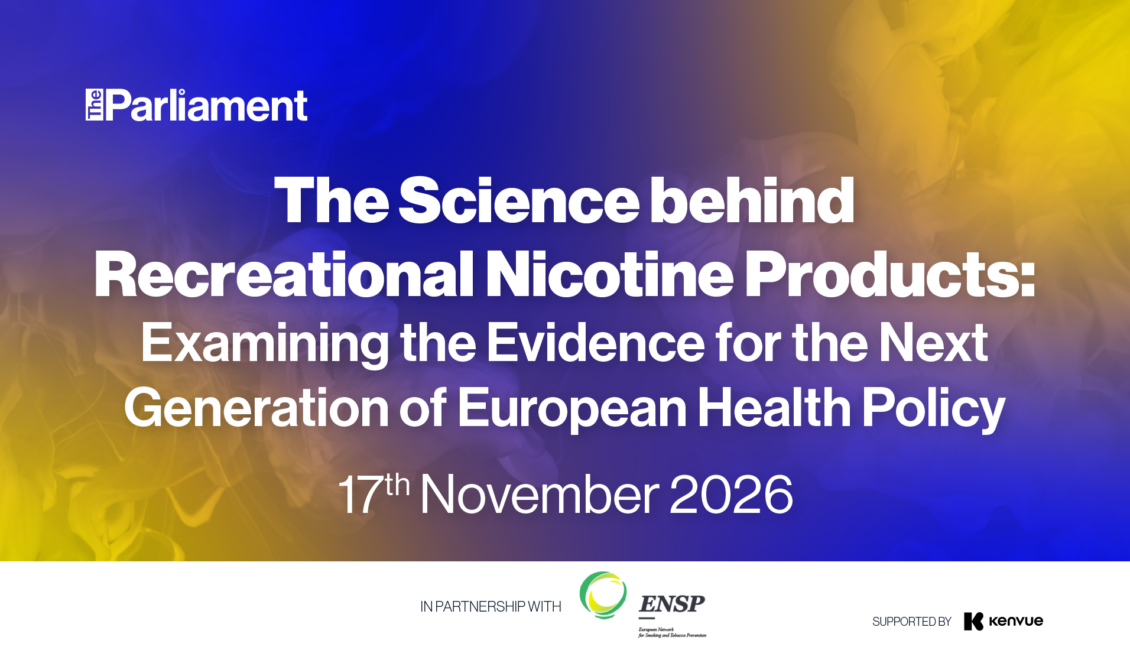
The Science behind Recreational Nicotine Products: Examining the Evidence for the Next Generation of European Health Policy |
|
|---|
|
As the European Union prepares for the upcoming revision of the Tobacco Products Directive (TPD), expected in Q4 2026, it is essential that policymaking is informed by the latest scientific evidence and public health considerations.
Amid rising concerns about nicotine addiction, particularly among young people and children
, and the increasing availability of recreational nicotine products, how can regulators ensure that the EU framework keeps pace with both emerging evidence and rapid market developments?
This high-level policymakers’ event will bring together MEPs and stakeholders to examine evidence on nicotine, addiction and the health implications of emerging products. It will explore how measures such as standardised packaging, flavour restrictions, health warnings, age-of-sale requirements and advertising controls can contribute to a proportionate and effective public health approach.
How can the EU strike the right balance between preventing nicotine addiction and supporting harm reduction? How can policymakers, researchers and public health stakeholders work together to build a strong evidence base for future EU action, advancing the shared ambition of a tobacco- and nicotine-free generation?
|
|
|---|
|
Tobacco and vaping industry representatives are not accepted to attend this event. The same rule applies to any entity or individual advancing their interests linked to the tobacco and vaping industry in a commercial or non-commercial manner. There is a fundamental and irreconcilable conflict between the tobacco industry’s interests and public health policy interests. (WHO FCTC Article 5.3 – Guiding Principles). |
|
|---|
|
WHO and 8 EU Member States call for ambitious revision of EU tobacco legislation |
|
|---|
|
|
As the European Commission moves forward with the revision of the Tobacco Products Directive (TPD) and Tobacco Advertising Directive (TAD), the World Health Organization (WHO) and eight EU Member States have called for stronger, future-proof legislation to address emerging tobacco and nicotine products, close regulatory loopholes, and better protect young people from nicotine addiction. |
|
|---|
|
 |
On 1 October 2026, WHO published its response to the European Commission's public consultation, outlining recommendations to align EU legislation with the WHO Framework Convention on Tobacco Control (WHO FCTC). These include expanding regulations to cover all tobacco, nicotine and related products, introducing comprehensive restrictions on flavours, advertising and digital marketing, strengthening health warnings and plain packaging, and protecting policymaking from tobacco industry interference.
Separately, in a Joint Letter dated 6 October 2026, the Health Ministers of Belgium, Finland, France, Hungary, Latvia, the Netherlands, Slovenia and Spain urged European Commissioner for Health Olivér Várhelyi to pursue an ambitious revision of TPD and TAD directives. Notably, they called for a freeze on the introduction of new nicotine and nicotine-like products onto the EU market, stricter nicotine limits, broad flavour bans, stronger restrictions on online promotion and cross-border sales, and greater flexibility for Member States to adopt national bans, including on nicotine pouches. |
|
|
|
|
| |
|
Together, these interventions reinforce the growing call for a comprehensive EU regulatory framework capable of responding to evolving industry practices, while supporting Europe's ambition to achieve a tobacco-free generation by 2040. |
|
|---|
|
All publications from the TPC Journal can be found here. |
|
|---|
|
Do you have an event coming up or content to promote? Would you like to share your best practices or inform us about local initiatives?
Share your work and promote your activities among 4.500+ colleagues in Europe and around the globe via The Network - ENSP newsletter |
|
| | |
|
|
|